
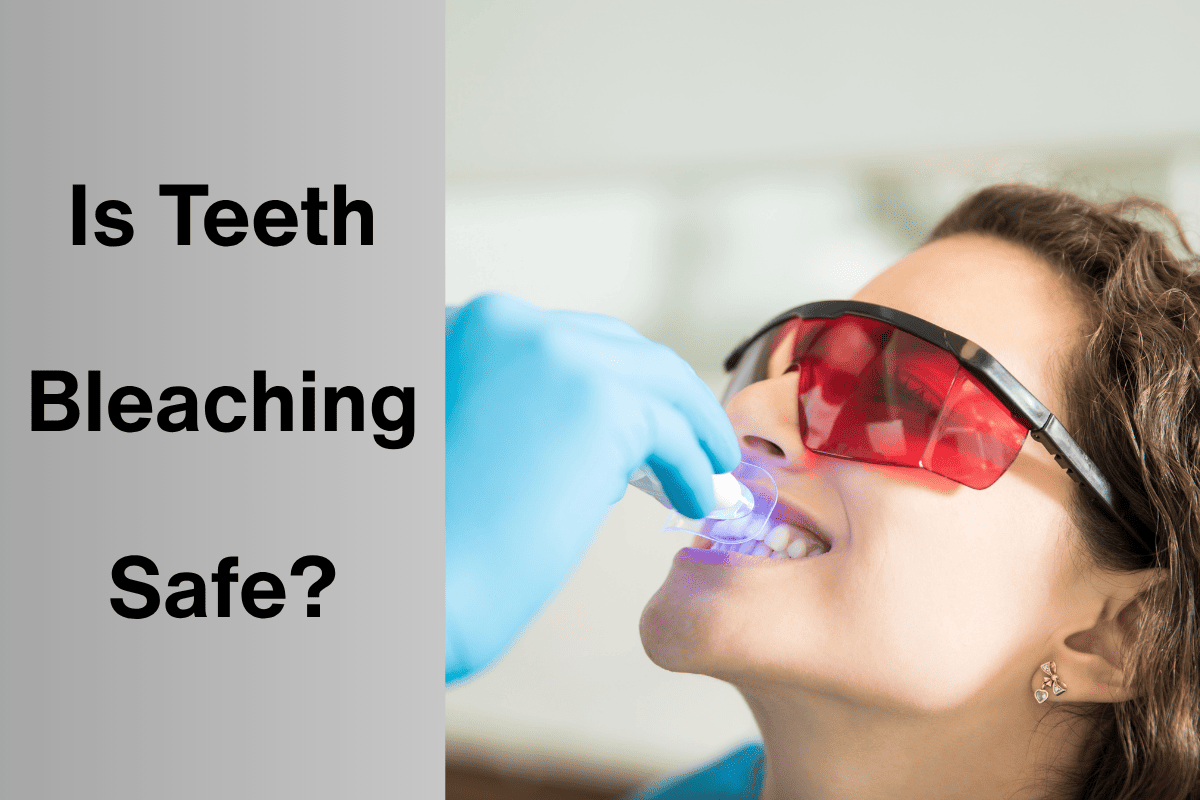
Is Teeth Bleaching Safe?
Many people want white teeth and refer to teeth whitening as an option. Teeth bleaching is a method that makes the teeth look brighter and also removes stains. But before practically using this method, most people have the same question in mind: Is teeth bleaching safe? The answer is yes; teeth bleaching is safe when done under a dentist's supervision and according to the correct directions and advice given by them. There are also some side effects that are important to consider before starting the teeth-bleaching treatment.
What is teeth bleaching?
Chemicals like hydrogen peroxide or carbamide peroxide are used in teeth-bleaching to remove stains from teeth. This process makes the teeth white by breaking down the colored particles on the teeth and making them look whiter. It is different from regular cleaning because it actually changes the color of your teeth.
Is teeth bleaching safe?
Today's research shows that teeth bleaching is basically safe and effective when it is done properly. The important aspect is that it should be done under the supervision of a cosmetic dentist and according to manufacturer instructions. When it is done correctly, most side effects are temporary and resolve on their own. The long-term effects of repeated bleaching are not fully known yet.
Common Side Effects of Teeth Bleaching
One of the most common problems with teeth bleaching is tooth sensitivity. Bleaching treatments also have the common issues of gum irritation and soft tissue irritation. These problems typically resolve on their own after the treatment stops. If the bleaching gel leaks onto the soft tissue, then people can experience burns on their gums. Enamel erosion and damage to dental roots can occur if teeth bleaching is not used properly. There can be uneven and poor results if the treatment is not done correctly.
When Can Teeth Bleaching Be Dangerous?
If the bleaching is done in a wrong way and inappropriately or without guidance, it can be dangerous.
-
Using acidic or abrasive home recipes can erode enamel and harm gums.
-
Using the bleaching products from salons without consultation from a professional dentist is illegal and also puts oral health at risk.
-
Gel can leak and cause sensitivity if the mouthguard does not fit properly.
-
It is not good to combine bleaching with other dental procedures without guidance because they can cause sensitivity or poor outcomes.
Without consulting dentists, using it can be harmful and bad.
Who should not get teeth bleaching?
Bleaching products should not be used by children under 12 years of age. Bleaching should be avoided until after pregnancy because these products are not tested on pregnant women. There is a high chance of gum sensitivity and burns for people who already have sensitive teeth. People who have active cavities, cracked teeth, or untreated gum disease should be treated first. It doesn't work on dentures or crowns.
How to make teeth bleaching safe?
It is advisable to go to a registered dental professional for teeth whitening. It is important to carefully follow the manufacturer's directions when using bleaching products. For optimal safety, bleaching should always be done under controlled dental office conditions. It is crucial to consult a dentist immediately and not to continue using the product if any side effects are observed.
Stop if the problem continues and see a dentist. It is dangerous to whiten teeth continually without the approval of a dentist.
What are the types of teeth bleaching procedures?
There are two types of bleaching: In-office bleaching and at-home bleaching.
-
In-office bleaching is done under professional supervision at a dental clinic.
-
At-home bleaching is used at home and involves gels from a dentist or retail outlets.
Both methods can cause side effects, but in-office bleaching causes more gum irritation compared to at-home bleaching, which causes more sensitivity. At-home sensitivity is around 50%, while in-office sensitivity is 40%.
How Long Does Teeth Whitening Last?
Teeth whitening is not the same for all people; it varies from person to person and is not permanent. It usually lasts from a few months to up to 3 years. People need to repeat it later because the effect starts fading.
FAQS
Question 1: Is teeth bleaching safe for everyone?
Answer: No. It is not safe for children under the age of 12, pregnant women, and people who have sensitive teeth. They should avoid it or consult a dentist first before using it.
Question 2: What are the most common side effects of teeth bleaching?
Answer: The most common problems are tooth sensitivity and gum irritation. These are temporary and go away after treatment.
Question 3: Can I do teeth bleaching at home safely?
Answer: Yes, if the person uses dentist-approved kits and follows the instructions, then it is safe. However, home kits from retail stores may have risks if they are not used carefully and properly.
Conclusion
Bleaching is safe when done with a dentist and proper instructions and guidance. Side effects like sensitivity and gum irritation are temporary and resolve on their own over time. Don't use too much bleach or products from unreliable sources or unqualified professionals, such as beauty salons. Talk to and consult with The Dental Cure before starting any treatment options. It is important to know the risks first, so make sure you are fully informed before beginning.