
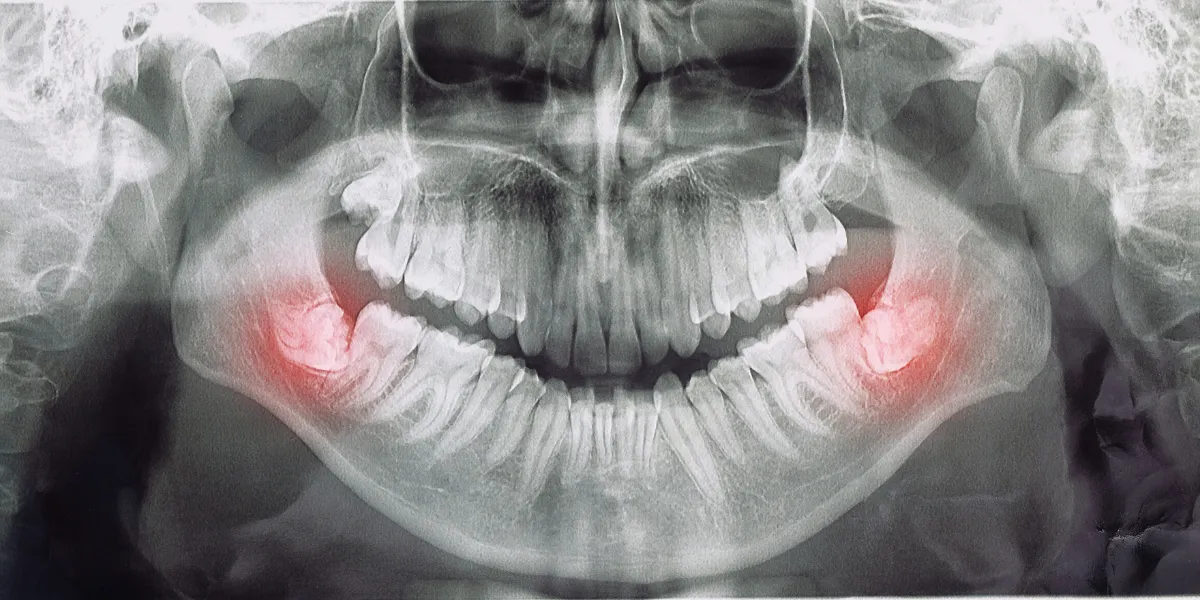
Major Wisdom Teeth Symptoms: Signs You Should Not Ignore
If you're unsure whether your discomfort in the back of your mouth is due to your wisdom teeth or another problem, consult your dental professional. Wisdom teeth may grow normally, or they may become impacted, partially erupted, or infected. Being aware of the warning signs could enable you to prevent the issue from getting more painful. Symptoms often include bad breath, painful gums, jaw discomfort, swollen gums, and a hard time opening the mouth. If the changes around the last molar persist, recur, or intensify, it is important to pay attention.
What Are Wisdom Teeth?
The third molars located at the back of the mouth are known as wisdom teeth. They are the final permanent teeth to come in. In some individuals, they are a normal development, and in other individuals, teeth do not develop properly and stay partly or completely under the gums. If a tooth doesn't fit in its intended socket, it is called an impacted tooth, or a wisdom tooth that is trapped.
An impacted wisdom tooth can develop at an angle rather than straight ahead or may not have enough room to emerge. It may cause no symptoms for some time. Problems may arise, and the dentist could discover infection, decay, gum disease, or damage around the adjacent tooth. Those affected by impacted wisdom teeth may experience red or swollen gums, jaw pain, unpleasant breath, a foul taste in the mouth, and difficulty opening the mouth.
Never Ignore These Wisdom Teeth Symptoms
1. Persistent Pain at the Back of the Mouth
One of the most noticeable wisdom tooth symptoms is pain that occurs in the area near the last molar. The gum may be dull, feel pressure, or have a sharper ache. The pain may come and go, particularly when a wisdom tooth attempts to come through.
Avoid dismissing returning pain or increasing pain. Pain can be a sign of impaction, decay, inflammation, or infection of the gums. Jaw or facial pain and tenderness are other signs of impacted wisdom teeth that Cleveland Clinic includes.
2. Red, Swollen, or Tender Gums
Examine the gum at the back of the last tooth that you can see. Swelling, tenderness, redness, or bleeding may indicate that there is inflammation in the gums surrounding an erupting or impacted wisdom tooth.
If a wisdom tooth is only partially erupted, then a tiny flap of gum can form that can trap food and bacteria. This may cause an inflammation of the gum around a wisdom tooth (pericoronitis). According to the Cleveland Clinic, signs and symptoms of pericoronitis include red and swollen gums, pain, pus, fever, swelling of the face, and trouble swallowing.
3. Bad Breath or a Bad Taste
Do you experience persistent breath that does not go away with regular brushing? Bacteria and food can also get trapped around a partially impacted wisdom tooth, causing an unpleasantly tasting sensation in the mouth.
These symptoms may occur when the gums are inflamed or infected. Wisdom teeth can be hard to clean around, making it easier to develop tooth decay and gum disease.
4. Difficulty Opening Your Mouth
Sometimes a wisdom tooth problem can make it difficult or uncomfortable to open your mouth. Stiffness during eating, talking, or brushing may be noticed.
Don't overlook this symptom of swelling/pain. If you have difficulty opening your mouth, it can be because of inflammation around an impacted wisdom tooth and can be a sign of a more serious dental infection.
5. Swelling in the Jaw or Face
A puffing around the back gum, jaw, or cheek should be treated. There may be some slight swelling around the tooth that is erupting, but if it is swelling significantly or is noticeable, that can indicate infection.
A dentist can also look at the area and, if necessary, use dental X-rays to see where the tooth is and check other structures in the area.
6. Fever, Pus, and Other Infection Signs
If a person has a fever, pus or drainage, swollen neck glands, and pain is increasing, it means the infection is active. If the infection spreads beyond the site of pericoronitis, it can be serious.
Delaying treatment until symptoms resolve may lead to improper treatment. If you see these symptoms together, schedule a dental check-up right away.
When Wisdom Tooth Symptoms Need Urgent Attention?
Some symptoms require immediate dental or medical treatment. If breathing or swallowing is hard, if there is a lot of swelling in the face, if there is fever, or if the symptoms get much worse, it may be a sign of spreading infection. Mayo Clinic recommends seeing a dentist or an oral surgeon if symptoms are severe, such as trouble breathing, fever, if the pain is severe, or if the swelling gets worse.
Never attempt to press, cut, or drain a swollen area. A professional examination can discover the reason for the disorder and recommend proper treatment.
Why You Should Not Ignore Repeated Symptoms?
Symptoms of the wisdom teeth can go away for a while and then come back. Solutions are only temporary when the cause of the problem remains. A partially erupted wisdom tooth may be able to hold food and bacteria.
Chronic pain, swelling, or infection may develop in the wisdom tooth and adjacent teeth. Affected teeth can cause other dental issues, gum disease and decay, and damage to surrounding teeth, Mayo Clinic reports.
When Should You See a Dentist?
Schedule an appointment if pain, swelling, bleeding, bad taste, bad breath, and an inability to open your mouth persist or recur. A dentist will be able to take a closer look at the wisdom tooth and determine if it needs to be monitored, cleaned, treated, or removed.
Not all wisdom teeth require extraction. A fully erupted tooth in a favorable position and easily cleaned with a toothbrush may not need to be extracted.
Conclusion
Symptoms of wisdom teeth removal may begin with mild pain but can progress to swelling or infection or become a dental issue. Be alert for recurrent pain, red gums, bad taste, bad breath, stiff jaw, swelling of the face, fever, and pus. If symptoms continue or get worse, get professional care. Dental assessment at an early stage can help prevent problems and determine the cause. The Dental Cure can help facilitate timely evaluation of wisdom teeth.