
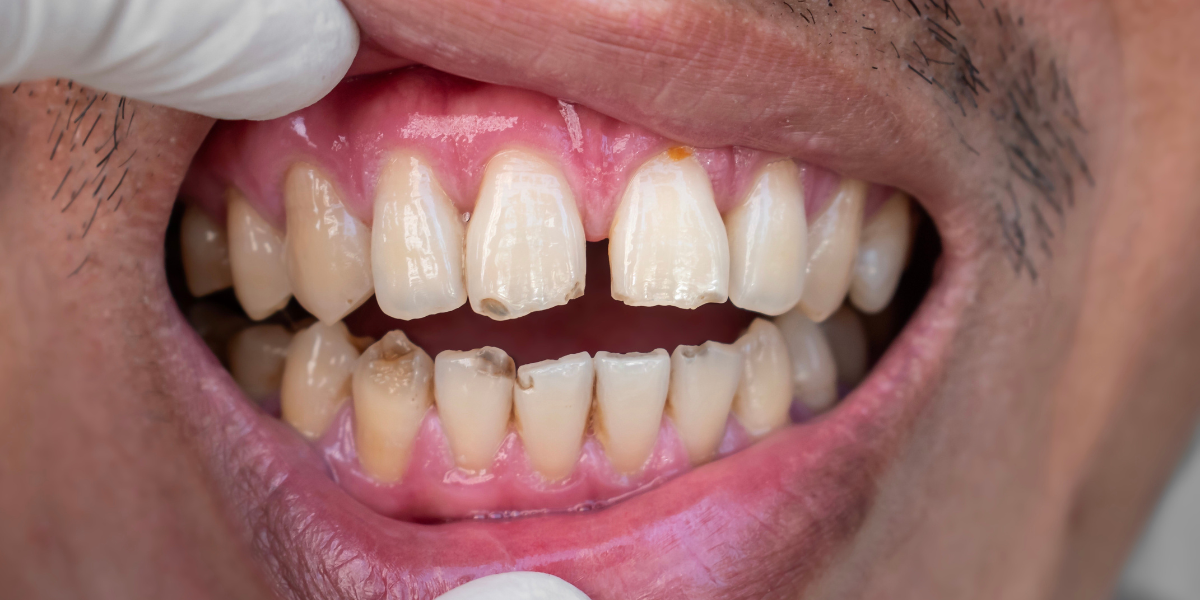
What Causes Black Teeth in Adults?
Have you noticed black spots or dark patches on your teeth? Black teeth in adults can develop because of tooth decay, stains, tartar buildup, injuries, or certain medicines. Sometimes, only a small part of a tooth turns black. In other cases, the entire tooth becomes dark. The cause determines the right treatment, so a dental checkup is important if you notice a sudden or unusual colour change.
What Causes Black Teeth in Adults?
Several factors can turn adult teeth black. Some causes affect only the outer surface, while others damage the inner part of the tooth.
1. Tooth Decay
Tooth decay is one of the common reasons for black teeth. Bacteria in the mouth feed on sugars and produce acids. These acids weaken the tooth enamel and create cavities over time.
As decay progresses, the affected area may appear brown or black. You may also notice sensitivity, pain, or a visible hole in the tooth. However, early decay does not always cause pain.
A dentist can examine the tooth and recommend suitable treatment. Depending on the damage, you may need a filling, root canal treatment, or extraction.
2. Plaque and Tartar Buildup
Plaque is a sticky layer of bacteria that forms on teeth. If you do not remove it through regular brushing and flossing, it can harden into tartar.
Tartar usually appears yellow or brown, but some deposits can look dark or black. It often builds up near the gumline or between teeth.
Poor oral hygiene increases the risk of plaque buildup. A dentist or dental hygienist can remove hardened tartar through professional cleaning. Brushing alone cannot remove established tartar.
3. Food and Drink Stains
Do you regularly drink tea or coffee? These drinks contain substances that can stain the teeth over time. Red wine and some dark-coloured foods can also cause stains.
Smoking and chewing tobacco can cause stubborn brown or black marks. These stains usually affect the outer surface, although their appearance can vary.
Brushing twice daily, cleaning between teeth, and reducing tobacco use can help prevent further staining. Professional cleaning may remove surface stains, but it cannot treat decay or damage inside a tooth.
4. A Dead or Injured Tooth
A tooth may turn grey, brown, or black after an injury damages its blood supply. This can happen after a fall, a sports injury, or a strong blow to the mouth.
Sometimes, the colour change appears weeks or months after the injury. The tooth may not hurt, even when the inner tissue has become damaged.
A dentist can examine the tooth and check whether the pulp, which contains nerves and blood vessels, remains healthy. Treatment may include root canal treatment if the pulp has died or become infected.
5. Certain Medicines and Dental Materials
Some medicines and medical treatments can affect tooth colour. For example, certain antibiotics can cause tooth discolouration under specific conditions. Some mouth rinses and iron-containing liquids may also cause dark surface stains.
Older dental fillings and other restorations can sometimes create a dark appearance around a treated tooth. The tooth itself may not have developed new decay.
Tell your dentist about the medicines and dental treatments you have used. Do not stop prescribed medicine without advice from your healthcare professional.
How Can You Tell Why Your Teeth Have Turned Black?
The location, appearance, and symptoms can offer useful clues, but they cannot confirm the cause on their own.
-
Black spots or holes: These may indicate tooth decay.
-
Dark deposits near the gums: These may be tartar or surface stains.
-
One tooth turning grey or black: Such a change may indicate an injury or damage to the tooth's pulp.
-
Dark marks after drinking tea or coffee: These may be surface stains.
-
Black areas with pain or swelling: These may indicate advanced decay or infection.
Your dentist may examine your teeth, ask about your symptoms, and take dental X-rays when necessary. This helps identify hidden damage and select suitable treatment.
How Can You Prevent Black Teeth?
Good oral care can reduce the risk of stains, tartar, and tooth decay.
Brush your teeth twice daily with fluoride toothpaste. Clean between your teeth every day using dental floss or another suitable cleaning aid. Limit sugary snacks and drinks, and rinse your mouth with water after consuming staining drinks.
Avoid smoking and chewing tobacco. Arrange regular dental checkups so your dentist can detect problems before they become severe.
Do not scrape black marks with sharp objects or use harsh whitening products. These methods can damage your enamel and gums without treating the underlying cause.
When Should You See a Dentist?
Book a dental appointment if you notice a new black spot, a tooth that changes colour, or a dark area that does not go away with normal brushing.
Seek urgent dental care if you experience severe toothache, facial swelling, fever, or pus near a tooth. These symptoms may indicate an infection that needs prompt treatment.
The Dental Cure can be considered when you need professional guidance to identify the cause of tooth discolouration and understand suitable treatment options.
FAQs
1. Can a black tooth become white again?
Yes, sometimes. A dentist may remove surface stains through cleaning or recommend suitable whitening treatment. A tooth darkened by internal damage may need a different procedure.
2. Does a black tooth always mean tooth decay?
No. Stains, tartar, injuries, and certain dental materials can also cause dark areas. A dental examination helps identify the actual cause.
3. Can brushing remove black stains from teeth?
Brushing may reduce some surface stains and plaque. However, it cannot remove hardened tartar or repair a cavity.
4. Can a dead tooth turn black without pain?
Yes. A tooth with damaged or dead pulp may change colour without causing immediate pain. A dentist should examine it.
5. Is a black tooth a dental emergency?
Not every black tooth requires emergency care. However, severe pain, swelling, fever, or pus needs urgent dental attention.
Conclusion
Black teeth in adults can result from tooth decay, tartar, food stains, injuries, or certain medicines. The correct treatment depends on the underlying cause. Regular brushing, healthy habits, and dental checkups can help protect your teeth. If you notice a sudden colour change or persistent black marks, consult a dentist rather than trying home remedies. The Dental Cure can help you explore professional dental care and appropriate treatment for discoloured teeth.