
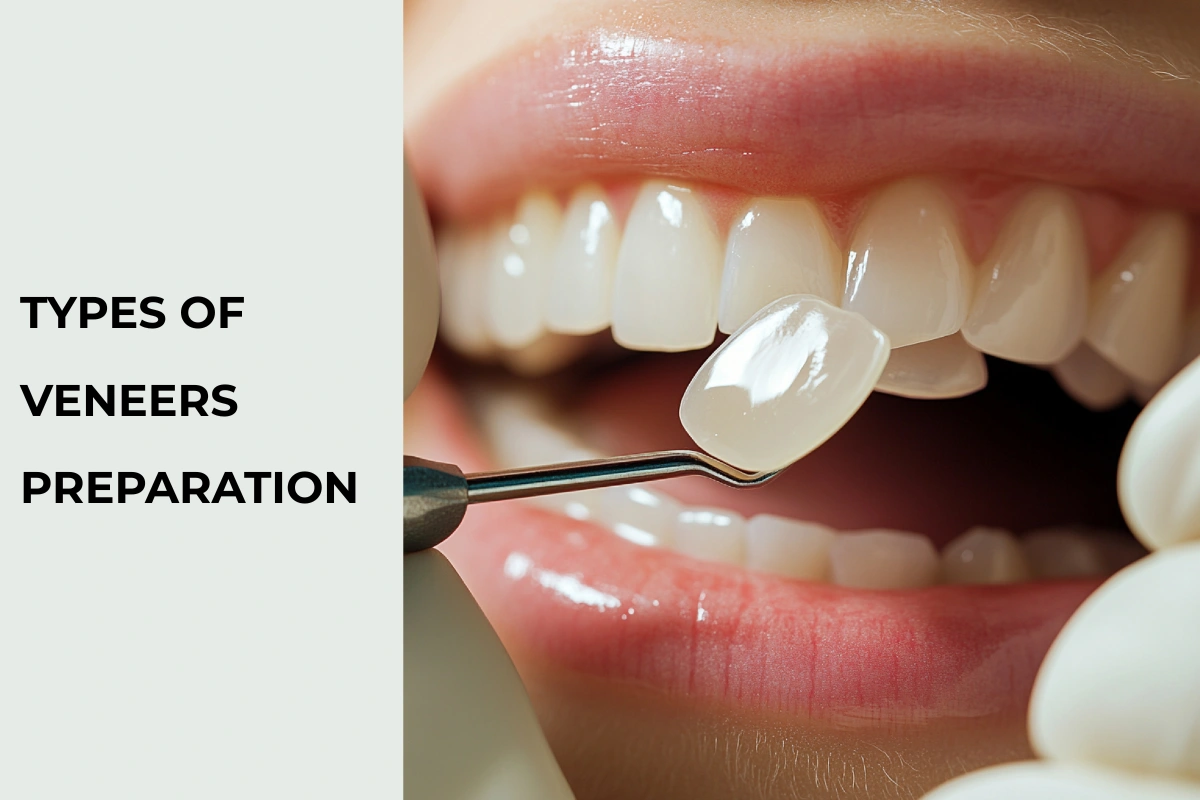
Types of Veneer Preparation
Before placing dental veneers, are you wondering what types of veneer preparation dentists use? This is a frequently asked question in people's minds when they think about a smile makeover. Veneers can enhance the look of teeth in several ways, including correcting discolouration, spacing, misalignment, and irregular shapes. But the outcome of the veneers will rely heavily on tooth preparation. There are various types of preparation methods used for different patients depending on their dental condition and the desired treatment. Being aware of these preparations is important for making informed decisions and knowing what to expect before starting the veneer treatment.
What Is Veneer Preparation?
Veneer preparation is the process of preparing the teeth before placing the veneer. The dentist takes the time to adjust the tooth and leave enough room for the veneer to fit while still looking natural. A cosmetic dentist carefully plans this process to achieve the best aesthetic and functional results.
The preparation will vary depending on the type of veneer chosen, the condition of the teeth, and what the patient wants the cosmetic outcome to be. When properly prepared, bonding strength and fit will improve.
Why Is Veneer Preparation Important?
The long-term success of veneers depends on proper preparation. It is easier to get the veneer to sit naturally on the tooth, and it will not create a bulky appearance.
Proper preparation also yields better durability. Properly fitted veneers will have reduced stress when chewed and spoken with. This can help prolong their life and keep them looking good.
What Are No-Preparation Veneers?
Little or no removal of natural tooth structure is needed for no-preparation veneers. These veneers are very thin, and they are intended to be bonded to the surface of the tooth. This is the best option for patients with smaller teeth or for cosmetic reasons. The benefits of no-preparation veneers include the following: The benefits of no-preparation veneers are
- The primary advantage is that there is little alteration to the natural tooth. The process can be faster and less sensitive.
- The process is more conservative, as very little enamel is removed.
Understanding Minimal Preparation
Minimal preparation veneers are the removal of a tiny amount of the front enamel surface of the tooth. This method provides extra space in the veneer and leaves the majority of the natural tooth structure intact.
-
When Dentists Recommend This Option: For people who want cosmetic enhancement without a lot of change to their teeth, dentists may opt to make minimal preparations. It offers a harmonious compromise between beauty and the integrity of teeth.
-
Benefits of Minimal Preparation: In this way, veneers can look like the rest of the teeth. It also helps maintain strong enamel for bonding. Many patients choose this option, as it is less invasive than the traditional preparation.
What Is Conventional Preparation?
The process of preparing veneers is conventional, with more enamel removed than for minimal veneer preparation. When more substantial cosmetic changes are required, dentists will use this technique.
-
Situations That Require Conventional Preparation: Conventional preparation may be required for patients with severe discolouration, larger teeth, or irregular surfaces. The additional space is needed to form the shape and correct the colors of the veneer.
-
Advantages of Conventional Preparation: This approach provides more options for enhancing your tooth's appearance. Dentists can provide amazing cosmetic changes with a natural appearance. One of the most popular preparation methods used in cosmetic dentistry.
How Window Preparation Works
When preparing teeth for a window, the dentist removes the enamel from the front surface of the tooth but leaves the biting edge of the tooth alone. This preparation method will form a "window" for the veneer to rest.
-
Benefits of Window Preparation: The natural biting edge is retained, aiding in the conservation of tooth structure. This approach can be a successful treatment option for those whose lateral lines of the teeth are already aesthetically pleasing.
-
Considerations: Preparing the windows may not be a suitable option in all situations. Before the dentist suggests it, they assess the position of the bite and the cosmetic objectives for it.
What Is Incisal Overlap Preparation?
This preparation takes up the biting edge of the tooth. The veneer hugs the edge slightly to give extra protection.
-
Why Dentists Use This Method: When a dentist needs to enhance the front surface and edge of the tooth, this is the method they will use. It can offer more support and a more beautiful look.
-
Benefits of Incisal Overlap: This technique would make the veneer fit more naturally into the tooth. It can even give a fresh appearance to worn or chipped edges.
Understanding Feather Edge Design
Feather-edge preparation is a very thin margin at the edge of the prepared tooth. The gap between the tooth and veneer will be smooth and natural.
-
Advantages of Feather Edge Preparation: This technique will leave more tooth structure remaining to create a sufficient opening for the veneer. Many dentists use this technique for minor cosmetic adjustments.
- Factors That Influence Veneer Preparation Choice: Patient expectations also play a factor in the choice. Some people need as many of their teeth as possible preserved, while others want to achieve the best cosmetic improvement. A comprehensive exam enables the dentist to identify the best preparation option.
- Recovery and Aftercare: Patients do not report much discomfort following the preparation of the veneer. Slight sensitivity can be experienced for a brief time.
It is important to follow the dental surgeon's recommendations to ensure proper healing and successful outcomes. Maintaining good oral hygiene, regular dental check-ups, and avoiding unhealthy behaviors can help preserve your veneer quality.
FAQs
Que: Which veneer preparation removes the least tooth structure?
Ans: No preparation veneers are likely to cause the least alteration of natural teeth.
Que: Is veneer preparation painful?
Ans: Patients report little pain. Dentists sometimes use local anesthesia.
Que: Can veneer preparation damage teeth?
Ans: If done properly, veneer preparation will maintain the health of the teeth and leave space for the veneer.
Que: Which preparation type is best for cosmetic improvement?
Ans: It depends on the condition of the teeth and the desired results. The dentist can suggest the best course of action.
Que: How long do veneers last after preparation?
Ans: However, veneers can endure for a long time with proper care. Oral hygiene, lifestyle habits, and the quality of the material all influence the lifespan of these veneers.
Conclusion
Understanding the different types of veneer preparation helps patients make informed decisions about cosmetic dental treatment. Each preparation method serves a specific purpose and offers unique benefits. The right choice depends on tooth condition, smile goals, and professional evaluation. Consulting an experienced dental professional ensures the most appropriate treatment plan and long-term results. For expert guidance and personalised veneer solutions, consider speaking with the team at The Dental Cure.