
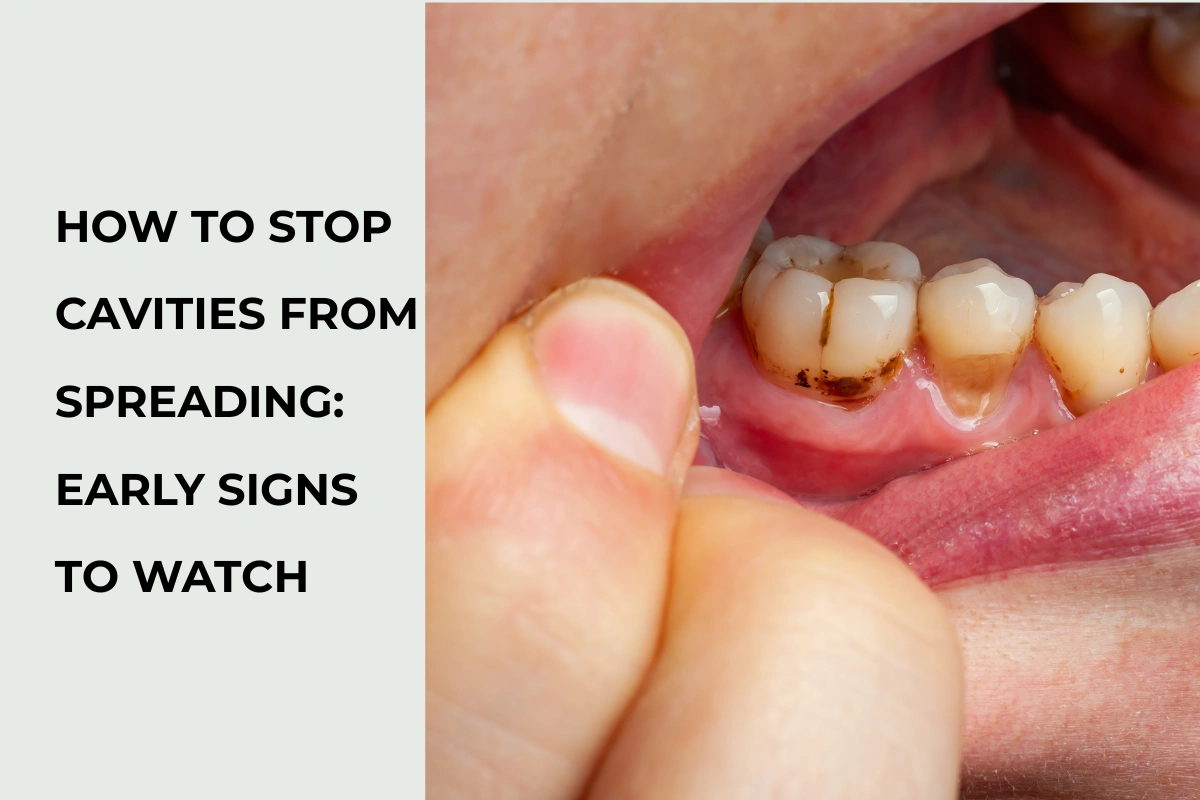
How to Stop Cavities from Spreading: Early Signs to Watch?
If you have seen a small dark area on a tooth, have you wondered whether this spot will turn into a cavity? This is a very common question since many cavities do not cause pain at all. By taking steps early, you can prevent them from deteriorating further and avoid damaging your teeth. A cavity isn't formed over one night but can deepen with time without intervention. If you know what to look for at an early stage and seek timely professional teeth cleaning, you can ensure that your teeth remain healthy and avoid more complicated treatment at a later stage.
What Is a Cavity?
A cavity is a part of the hard surface of a tooth that has been damaged. It's caused by a buildup of bacteria in the mouth that causes acids to slowly erode tooth enamel. This is called tooth decay.
Initially, the damage is often minimal. If untreated, the decay progresses toward the inner layers of the tooth. Treatment is more difficult at this point.
Can a Cavity Spread?
Cavities are not contagious and can't spread from tooth to tooth. If left untreated, decay in an affected tooth will continue to spread. If there is poor oral hygiene, the bacteria that cause cavities can bring about the risk of new cavities forming on neighboring teeth. Early treatment prevents damage to the tooth pulp, where the nerves and blood vessels are located.
Early Signs to Watch
Not every cavity causes pain in the beginning, so it is important to notice small changes in your teeth. Recognizing these early signs can help you seek treatment sooner and prevent the decay from becoming more serious.
1. White or Brown Spots
- The first sign of tooth decay is a white, chalky color on the enamel. As the decay progresses, the spot may become brown or black.
- Recognizing these color changes is important, as they indicate that minerals are dissolving from the tooth surface.
2. Tooth Sensitivity
- When your teeth are sensitive to hot or cold foods or sweets, it could be a warning sign of a cavity.
- Sensitivity can be experienced before the onset of intense pain. A visit to a dentist at this time could avoid further damage.
3. Mild Toothache
- A small toothache that sometimes occurs could be an early sign of decay.
- If they come back, it is important to have a check-up, as cavities will not heal by themselves.
4. Visible Holes or Pits
- As the decay gets worse, small holes or "pits" can develop on the surface of the tooth.
- These openings provide a way for bacteria to penetrate more into the tooth and can cause the cavity to increase in size over time.
5. Bad Breath
- Sometimes, bacteria build up in a cavity that can cause persistent cases of bad breath.
- A dental exam will help determine the cause if brushing doesn't resolve the issue.
How to Stop Cavities from Spreading?
Taking simple steps every day can slow down tooth decay and protect your natural teeth. Good oral care and timely dental treatment work together to stop cavities from becoming more serious.
- Brush Properly Every Day: Brush teeth twice daily with fluoride toothpaste. Brushes eliminate the food residue and plaque that enable bacteria to multiply. Be patient and thoroughly brush every surface of your teeth.
- Clean Between Your Teeth: Flossing removes plaque that your toothbrush cannot reach. Flossing helps to prevent cavities between teeth.
- Reduce Sugary Foods and Drinks: Bacteria break down sugar and leave behind acids, which attack the enamel. Cutting back on sugary foods and beverages will help prevent additional damage to your teeth.
- Drink Plenty of Water: Drinking water helps to rinse away food debris while keeping saliva production healthy. Saliva is a natural protection for teeth and helps lower the acid in the mouth.
- Visit Your Dentist Early: The sooner you take care of cavities, the easier the treatment is. Regular checkups enable dentists to spot early decay before it gets serious and painful and can be costly to fix.
What Happens If You Ignore a Cavity?
If left untreated, the cavity will continue to damage the tooth. Over time, the decay progresses into the inner pulp, resulting in pain or infection. In severe cases, a root canal or extraction might be needed. Treatment in the early stages is likely to save more of the natural tooth and will minimize the potential for complications.
Can Early Cavities Be Reversed?
Sometimes fluoride and proper oral hygiene may be enough to repair very early enamel damage before a hole develops. Once the cavity causes damage, only a dental professional can rectify the problem. That is why early detection is crucial.
How Dentists Treat Cavities?
Depending on the depth of the cavity, the dentist will recommend the treatment. Simple fillings are typically used for small cavities. If there is a lot of tooth structure gone, larger cavities might require crowns. Once decay progresses into the pulp, a root canal treatment might be needed to save the tooth.
Tips for Long-Term Prevention
The best protection against cavities is healthy habits. Brush 2 times a day, floss daily, avoid too much sugar, drink plenty of water, and see your dentist frequently. These easy tips and tricks can help them to stay out of further cavities and maintain their oral hygiene.
FAQs
Que1: Can a cavity stop growing on its own?
Ans: No. After a cavity forms, it typically keeps expanding until a dentist treats it.
Que2: How fast can a cavity get worse?
Ans: Everyone's speed is different. Your diet, oral care, and overall health can all speed up decay.
Que3: Does every cavity cause pain?
Ans: No. Most cavities do not cause pain in the early stages, which is why it is important to have regular dental check-ups.
Que4: Would it be possible to fill a cavity with fluoride?
Ans: Fluoride could be beneficial in strengthening early enamel damage before the cavity has a chance to develop. It will not fill a cavity that's fully grown.
Que5: When should I visit a dentist for a suspected cavity?
Ans: See a dentist as soon as you have sensitivity, pain, color changes, or holes in your teeth. Treatment is best if begun early.
Conclusion
The longer they are left untreated, the harder it will be to treat cavities. Early signs of tooth decay can be identified, and prompt dental treatment can prevent the tooth decay from causing serious damage. The most important thing to remember is that preventive care; excellent oral hygiene, a healthy diet, and regular dental visits; is the best defense against tooth problems. In the event that you see signs of a cavity, consult a trustworthy dental care practitioner, like The Dental Cure, for timely, healthy, and suitable therapy.