
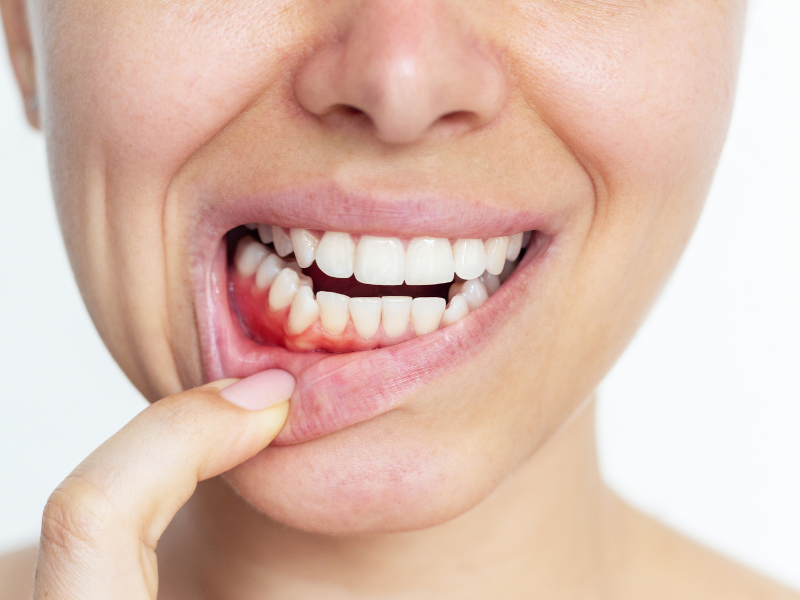
How to Stop Bleeding Gums Fast: Causes and Remedies?
Are your gums bleeding when you brush or floss your teeth? Many people look for a quick solution to prevent bleeding gums, but they may overlook the actual cause. Gingivitis is not normal and shouldn't be ignored. They typically indicate that there is a need for the proper care of your gums or dental work. They can also be a sign of a health problem in some cases. The great news is that early intervention can often help keep your gums healthy and prevent future issues. This guide outlines the most frequent causes of bleeding gums, some home remedies to try, and when to seek out a dentist.
Why Do Gums Bleed?
Gums that bleed while brushing or flossing are problematic! If you see blood on a regular basis, you are likely to have inflammatory and irritated gums. It is usually caused by a buildup of plaque at the gum line. Plaque is an area where bacteria irritate the gums and cause them to swell. Plaque will harden into tartar if not removed daily. Brushing is not enough to remove tartar. It needs to be professionally cleaned by a dentist.
Bleeding gums could also be a result of poor brushing technique, vitamin deficiencies, pregnancy, specific medications, or blood clotting disorders. While it's not always visible in the early stages of gum disease, smoking can make it more likely to happen.
Common Causes of Bleeding Gums
Bleeding gums can happen for several reasons, and identifying the exact cause is the first step toward the right treatment. Understanding these common causes can help you protect your gums before the problem becomes more serious.
1. Gingivitis
The most frequent cause of bleeding gums is gingivitis. It's the initial phase of gum disease. Gums turn red, swollen, and painful. They tend to bleed when brushing or flossing. Fortunately, the condition of gingivitis is usually treatable if you practice proper oral hygiene and seek professional cleaning.
2. Periodontitis
If gingivitis is not treated, it may progress to periodontitis. It's a more advanced type of gum disease that involves the gums and the bone that surrounds the teeth. This can lead to prolonged bleeding, foul odors, loose teeth, and gum recession.
3. Brushing Too Hard
Many people believe that they clean their teeth better by brushing harder. Actually, it is possible to damage the gums and cause them to bleed when you brush too hard. A soft-bristle toothbrush and a soft brushing method are typically preferable.
4. Vitamin Deficiency
Vitamin C or vitamin K deficiencies can impact gums. These vitamins help keep tissues healthy and blood clotting properly. A healthy diet will promote healthy gums.
5. Certain Medicines
Gingivitis can cause gums to bleed more easily when taking blood-thinning medications. Tell your doctor or dentist if you have a problem with frequent bleeding when you are taking a new medicine; do not stop the medicine without speaking with your doctor or dentist.
How to Stop Bleeding Gums Fast?
The right care can often reduce gum bleeding and support faster healing, especially if you identify the problem early. These simple remedies can help improve gum health and lower the risk of further irritation.
- Brush Gently but Thoroughly: Continue brushing your teeth twice a day with a soft toothbrush. Plaque is easily removed, yet it will not damage the gums when gently brushed.
- Floss Every Day: People often avoid flossing because their gums bleed. But flossing removes plaque between teeth that a toothbrush cannot get at. If the bleeding is caused by plaque, it should get better after a couple of days of regular flossing.
- Rinse With Warm Salt Water: Rinse your mouth with warm salt water, which may help soothe and clear it. Rinse with just a bit of salt in warm water for about 30 seconds. This easy solution can help alleviate mild gum swelling temporarily.
- Stay Hydrated: Water will help flush away food particles and bacteria. Drinking water also helps produce saliva that keeps the mouth free of harmful bacteria.
Improve Your Daily Oral Care Routine
A key factor in preventing bleeding gums is effective oral hygiene. Brush with fluoride toothpaste for two minutes, twice a day. Change your toothbrush every 2 or 3 months, or if the bristles are worn.
- Brush Your Tongue Every Day: As bacteria can build up there too. By cleaning regularly, you will help to keep your mouth in better health and decrease the risk of gum disease.
- Eat Foods That Support Healthy Gums: What you eat is a key factor in good gums. Fresh fruits and vegetables have vitamins and minerals that contribute to the maintenance of strong gums. Oranges, guavas, and capsicum are vitamin C-rich and help promote healthy gum tissue. Keep sugar and sugary drinks to a minimum, as this helps create plaque. A balanced diet will help keep your teeth and gums healthy over time.
When is it time to visit the dentist?
While mild gum irritation may be treated at home, it is not always sufficient. If you have healthy gums, but they still bleed for more than a week, see the dentist. If you experience any of these symptoms, such as swollen gums, persistent breath that doesn't go away, loose teeth, receding gums, or pain when you chew, you should also schedule an appointment with a dentist. If you have these symptoms, it may indicate gum disease that requires professional treatment. Seek immediate medical/dental attention if the bleeding is excessive, after an injury, or if it has not stopped after gentle pressure.
How Dentists Will Treat Bleeding Gums?
The treatment is based on the cause of the condition. Many individuals find that a dental cleaning by a dentist will get rid of plaque and tartar that their normal brushing can't. This will give the gums a chance to heal. When gum disease has gone too far, the dentist might have to perform deep cleaning treatments, including scaling and root planing. Other treatment may also be necessary depending on a patient's oral condition and medical history. Your dentist can also show you how to brush and floss properly to avoid future issues.
Can Bleeding Gums Be Prevented?
Yes. Regular gum care and regular check-ups with the dentist can help prevent the majority of cases of bleeding gums. Gentle twice-daily brushing, daily flossing, healthy eating, no use of tobacco, and regular check-ups and cleanings with your dentist. These are simple strategies that help prevent plaque from accumulating and keep your gums healthy. It's important to act early. Treatments for gum problems are often more successful at the early stages of the problem than when it becomes more advanced.
Conclusion
Bleeding gums should not be overlooked, as they may be an indicator of a problem that should be addressed. Following these steps can help prevent further damage to the gums and bleeding: Brush and floss correctly, eat well, and have your teeth cleaned regularly. If the issue persists or worsens, please consult a professional immediately. To get expert advice and customized dental care, opt for The Dental Cure.