
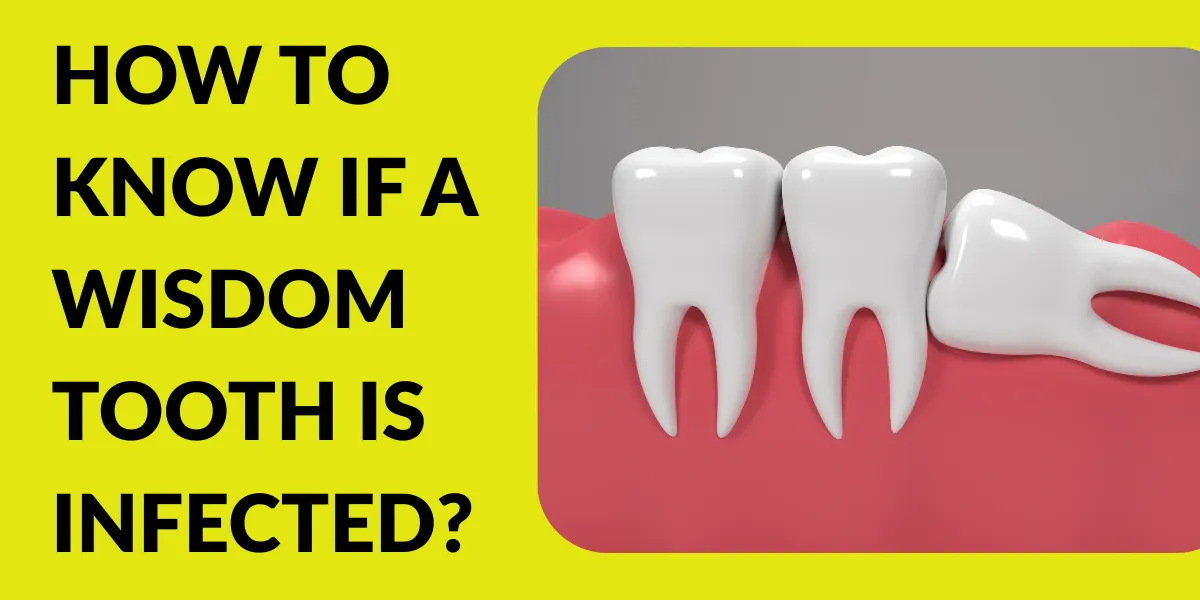
How to Know If a Wisdom Tooth is Infected?
Do you have pain in the back of your mouth and wonder if you have an infected wisdom tooth? Many people ask this common question when they observe the swelling, pain, and problems associated with eating. Wisdom tooth infections are quite prevalent and more likely to occur if the tooth does not grow as expected. Failure to treat the symptoms can cause significant pain and other dental issues. This scenario is why it's crucial to understand the signs to look for and when to seek treatment. In this blog, Dr Pooja Yadav will outline the signs and symptoms to look out for, the causes of infection, and the typical treatment for infected wisdom teeth before they can become serious.
What Is a Wisdom Tooth Infection?
The wisdom teeth are the final set of molars that emerge in late teens or early adulthood. Occasionally, teeth are unable to grow in the proper position. Such misalignment can lead to bacteria accumulating around the tooth and can result in an infection.
If you delay the treatment of a wisdom tooth infection, it may lead to problems with the gums, other teeth, and the jaw. The infection can start insidiously and may become painful as it progresses. If you experience symptoms of an infection, it's crucial to visit a dental professional at your local Family Dental Clinic as soon as possible to prevent further complications.
Why Do Wisdom Teeth Commonly Get Infected?
Wisdom teeth will sometimes develop at an angle or get stuck under the gums. This leaves small areas where food particles and bacteria can easily accumulate. This area will be challenging to clean. The bacteria grow, causing the gums to swell and become infected. Occasionally, the infection spreads to other parts of the mouth. Bad oral health can also heighten the danger of wisdom tooth infection.
Common Signs of an Infected Wisdom Tooth
If you are familiar with the early symptoms, you can seek treatment before it reaches an advanced stage.
1. Pain at the Back of the Mouth
One of the early signs of infection is pain. There is a constant discomfort around the wisdom tooth area.
This pain can worsen when eating solid foods and when opening the mouth wide. The pain may radiate to the ear, head, or jaw.
2. Swollen or Red Gums
Swelling around the wisdom tooth is another common symptom. The gums might be red and tender. In some instances, the swelling is so severe that chewing and speaking are uncomfortable.
3. Bad Breath or Bad Taste in the Mouth
If the wisdom tooth becomes infected, it could develop a pocket of pus due to bacteria. This can result in halitosis (foul breath) and an unpleasant taste. The odour can persist even after brushing if the infection is left untreated.
4. Difficulty Opening the Mouth
Swelling and pain may cause some people to have stiffness in the jaw. Such symptoms can make it difficult to open the mouth completely.
Occasionally, a severe infection can impact eating and speaking.
5. Fever and General Discomfort
When the body is being invaded by an infection, it responds to it by developing a fever and fatigue. When one feels a fever with tooth pain and swelling, they should go to the dentist's office immediately.
How do dentists identify infections in wisdom teeth?
There are several ways dentists can determine if the wisdom tooth is infected.
1. Dental Examination
Dentists thoroughly check the wisdom tooth and the surrounding gums. They check for swelling, redness, pus, and tenderness. The exam helps them to appreciate the seriousness of the infection.
2. Dental X-rays
Sometimes dentists recommend X-rays to check the position of the wisdom tooth. X-rays can be used to detect impacted teeth and those with infections beneath the gums.
Problems That Can Happen If You Ignore the Infection
If you leave a wisdom tooth infection untreated, it can cause severe oral issues.
1. Spread of Infection
- If not treated in time, the infection can spread to neighbouring teeth and gums.
- In more severe cases, bacteria can invade the bone and tissues of the jaw.
2. Increased Pain and Swelling
Without treatment, the pain and swelling usually become worse over time. This may impact eating, speaking, and activities of daily living.
Treatment Options for an Infected Wisdom Tooth
Depending on the condition of the wisdom tooth, the treatment options will vary.
1. Cleaning the Infected Area
Your dentist may clean the area around the wisdom tooth to dislodge trapped food and bacteria. This will help to prevent swelling and the spread of infection.
2. Medicines for Pain and Infection
Dentists can prescribe antibiotics to prevent the growth of bacteria. Pain-relief medicines also help to lessen pain and swelling.
3. Wisdom Tooth Removal
For those who experience frequent infections from a wisdom tooth, a dentist may suggest its removal. To prevent future issues and to safeguard surrounding teeth, extraction will be performed.
How to Reduce the Risk of Wasting Time on Tooth Infections:
There are a few ways to minimise the risk of a wisdom tooth infection.
1. Maintain Proper Oral Hygiene
- Keep excellent oral health. Have excellent oral hygiene.
- Brush well twice a day and thoroughly clean the back surfaces.
- Mouth rinsing is also important after eating because it helps to dislodge any food pieces.
2. Visit the dentist regularly.
- Early treatment will keep the pain to a minimum and avoid long-term complications.
- People who have regular dental visits will be able to catch the problem with wisdom teeth early. A dentist can monitor the growth and alignment of your wisdom teeth, identifying potential issues before they become serious. Regular check-ups are essential for preventing complications, such as infections or misalignment, that can cause pain and discomfort.
When You Should Visit a Dentist Immediately
A dentist will be able to help you with certain symptoms, so it is advisable to visit him as soon as possible. Certain symptoms, such as severe tooth pain or bleeding gums, require quick dental attention. If you are experiencing tooth loss, a dentist can also discuss options like dental implants, which provide a durable and natural-looking solution for missing teeth.
1. Severe Pain and Swelling
If someone experiences severe pain or swelling that rapidly increases, they should see a dentist right away. If these symptoms go unaddressed, the infection may worsen.
2. Fever or Difficulty Swallowing
If you have a fever, it is difficult to swallow, or you have trouble opening your mouth, you may have a serious infection. In such instances, professional treatment will be required.
Conclusion
If left untreated, an infected wisdom tooth can lead to painful, swollen gums and serious oral health issues. Early diagnosis will ensure that you receive treatment in time and that you avoid complications. Regular dental checkups and excellent oral health practices are significant in preventing infections. When warning signs are noted, it is time to seek help and recover safely, ensuring that dental health is not compromised by visiting trusted medical practices such as The Dental Cure.