
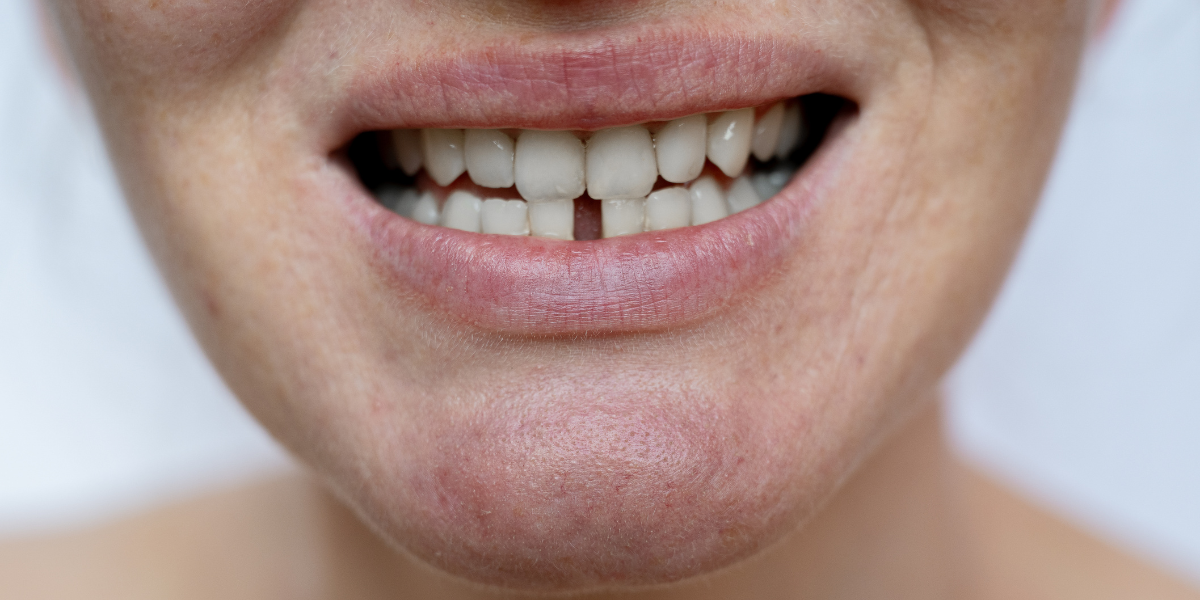
How To Fill the Gap Between Teeth?
If you've noticed a space between your front teeth and wondered how you can fill it, you're not alone. There are several options for dental treatments to fill the space between teeth, including dental bonding, braces, dental crowns, or clear veneers. The best choice will be determined by the cause or size of the gap, your dental health and budget. Your dentist can check your teeth and suggest a treatment that is right for you.
Why Do Gaps Develop Between Teeth?
When two teeth are apart, this condition is called a diastema. It is commonly found between the front 2 teeth; however, it can form in any area of the mouth. Knowing the cause enables you to select the appropriate treatment.
Common reasons include:
-
Genetics: You could have a larger jaw and smaller teeth or vice versa, resulting in more space between your teeth.
-
Gaps from missing teeth: Adjacent teeth may move inwards into the gap left by a missing tooth.
-
Gum issues: Gum disease can lessen the support for the teeth, leading them to migrate away from one another.
-
Too much lip tissue: An excess of lip tissue between the upper lip and the gums can create a larger gap than desired between the front teeth.
-
Childhood habits: Over time, sucking your thumb or your tongue can impact the position of your teeth.
After the cause is determined by a dentist, they can recommend a treatment. This will ensure that the correction does not return after treatment.
What Are the Best Ways to Fill a Gap Between Teeth?
Gaps can be closed by several dental treatments. They all function differently, and your dental professional will consider your needs before they suggest one.
1. Dental Bonding
A popular method for small gaps between teeth is dental bonding. The dentist fills the sides of the teeth with tooth-coloured composite material and shapes it to reduce the gap. The dentist then sets or hardens the resin using a special light and polishes it to the same texture as your natural teeth.
-
Advantages: Bonding typically doesn't involve a lot of preparation of the teeth and can often be done in a single appointment. It's also more affordable than other cosmetic procedures.
-
Restrictions: Resin may stain, chip or wear off with time. May need to be repaired or replaced later.
Bonding is a good option for individuals who would like to fill a small space but would like to leave as much natural tooth structure intact as possible.
2. Braces
Braces apply a gentle, controlled force to move teeth into more favourable positions. Can correct spacing problems and some bite problems.
Your dentist or orthodontist will place brackets on your teeth and tie them together with wires. Regularly go to appointments to allow the specialist to make adjustments.
-
Advantages: Braces can help correct multiple alignment issues like gaps and crowded teeth.
-
Restrictions: Therapy might take a few months or more, depending on the difficulty of your circumstances. Cleaning around brackets is also a must-do.
After treatment, your orthodontist will usually recommend a retainer to help keep your teeth in their new positions.
3. Clear Aligners
Clear aligners are transparent trays that are removable and move your teeth over time. They can close many gaps, as long as this is possible with your teeth and bite. Each set of trays is worn and changed as directed by your dentist.
-
Advantages: Aligners are less noticeable than traditional braces. You should be comfortable taking them out during meals or when brushing your teeth.
-
Restrictions: They need some discipline. They only work if a person uses them for the prescribed number of hours. They also may not work for certain difficult alignment situations.
Speak to an orthodontist to see if aligners are safe for your particular gap.
4. Dental Veneers
Veneers are thin layers that are applied to the front of a tooth. They can be used by dentists to alter a tooth's shape, size, and appearance.
They can be used to fill small spaces if the teeth have an appropriate form and adequate supporting tissues.
-
Advantages: Veneers can enhance the colour and shape of teeth and reduce the spaces between them.
-
Restrictions: The dentist has to remove a tiny amount of enamel to allow the veneer to be attached. This alteration may be a permanent change. Veneers may also chip or become worn out.
Before your dentist recommends veneers, they will examine your bite and the condition of your teeth.
5. Dental Crowns
Dental crowns cover the visible portion of a tooth. They can assist in filling in the gap where a tooth is weak or damaged and needs substantial restoration.
But dentists are not typically the first people to consider crowns as a treatment for a small cosmetic gap where less aggressive treatment methods can be employed.
You may need to prepare the teeth for crowns and remove healthy tooth structure. Discuss the pros and cons of the treatment with your dentist as well as other options.
How Do You Choose the Right Treatment?
Treatment will depend on your dental condition and desired treatment outcome. Consider these factors:
-
Gap size: If the gap is too big, orthodontic treatment may be necessary, but bonding may help for small gaps.
-
Cause: There is a difference in treatment needed when missing teeth, gum disease, and bite problems occur.
-
Dental health: If there is active gum disease or decay, your dentist will treat it before cosmetic correction.
-
Treatment cost: No matter the method, location and complexity, there is a cost associated with the treatment.
-
Long-term care: some require retainers, repairs or replacement.
Bonding can be used, for instance, for a small space between two otherwise sound teeth. If multiple teeth are to be moved, braces or aligners might be better options. When looking for advice on appropriate remedies for gaps between the teeth, The Dental Cure is something to consider.
Can You Close Teeth Gaps Naturally at Home?
There is no safe home remedy that can move permanent teeth into position or close a gap. Do not use rubber bands, threads or any other objects to force your teeth into contact. These methods will harm gums, loosen teeth and cause permanent damage.
There are also no consistent results with oil pulling, special toothpaste or home exercises. If a gap suddenly shows up or widens, schedule a dental exam to ensure your gums are not affected by gum disease or your teeth moving.
Conclusion
A gap between the teeth can be treated with dental bonding, braces, clear braces, veneers or certain restorations. The best option will depend on the size of the gap, the cause of the gap, your overall oral health and your long-term goals. Do not use any home remedies that are unsafe, and see a dentist before beginning treatment. If you want professional advice, you should contact The Dental Cure and discuss the best options for your smile.