
Ceramic vs Metal Braces: Which Is Better for Your Smile?
Choosing braces is not only about straightening your teeth. You may also consider their appearance, comfort, and daily care. Two common choices are ceramic braces and metal braces. Both function by exerting gentle pressure on the teeth to align them better. Nonetheless, there exist differences between them in their looks, strength, maintenance, and prices. So, what is the best choice? There is no single answer for everyone. It varies from person to person based on their condition and preferences.
What Are Metal and Ceramic Braces?
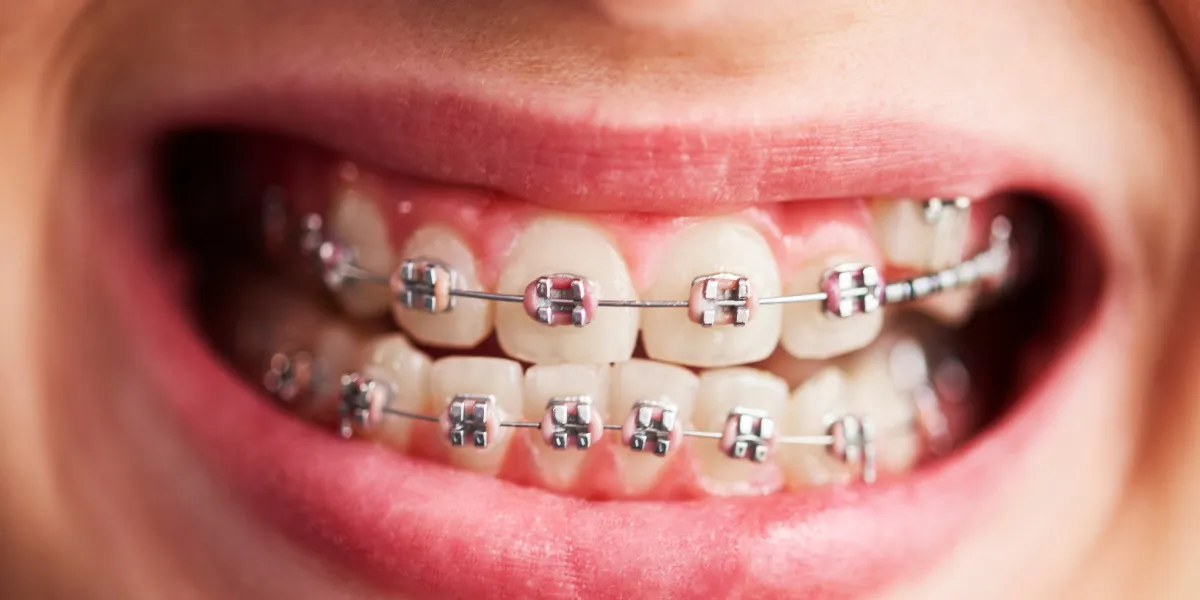
Metal braces have metal brackets in nature and a metallic archwire that helps in aligning the teeth. It is the orthodontist who tightens the archwire during the scheduled visits. These types of braces are popular because of the ability to treat various dental malformations.
On the other hand, ceramic braces are also very similar except for the fact that ceramic brackets are used. Because of this, they are less visible when you smile, as the brackets are either clear or match your tooth color.
Ceramic Braces vs Metal Braces: Key Differences
Looking at these few practical factors can make your choice easier.
1. Appearance
This is often the first difference people notice. Metal brackets are clearly visible when you smile. Ceramic brackets are designed to blend more closely with the natural color of your teeth. For adults who feel self-conscious about wearing braces, this difference may matter. People who do not mind visible orthodontic appliances may find metal braces perfectly suitable.
2. Strength and Durability
Metal is more durable and less prone to breakage and cracking. Ceramic brackets can be more fragile, especially under extreme pressure. However, this factor does not make ceramic braces delicate; they can perform well when taken care of. But there are some cases where it is recommended to have metal braces. The orthodontist will know the best material for your tooth movements.
3. Comfort
Neither type of braces is completely free from discomfort. After placement or adjustment, you may experience pressure or mild soreness as your teeth begin to move. The brackets can also rub against the inside of your cheeks during the early stages.
Ceramic brackets may feel slightly different because of their material and size. However, comfort varies from person to person.
4. Treatment Time
The duration of treatment depends on your case's complexity, not just the type of braces you have. While some patients may take relatively less time to complete the treatment, others may have to wear braces for a couple of years. Your condition regarding crowding, spaces, bite issues, jaw positioning, and compliance with the orthodontist’s instructions will decide the duration of the treatment.
This scenario means that opting for ceramic braces does not guarantee long treatment duration.
5. Maintenance
Both types require careful oral hygiene. Food can become trapped around brackets and wires. Without proper cleaning, plaque can build up around the braces and increase the risk of tooth decay or gum problems.
Ceramic brackets may require additional care because certain foods and drinks can stain the elastic ties used with them.
Your orthodontist may recommend specific brushing tools, flossing methods, or other cleaning aids during treatment.
Which Braces Cost More?
Ceramic braces generally cost more than conventional metal braces. The exact price can vary between patients and clinics.
Several factors can affect the final treatment cost, including:
- Level of tooth misalignment
- Treatment period
- Type of braces
- Orthodontist’s charges
- Dental work needed before treatment
- Appointments for adjustments
It is better to discuss the complete treatment cost with your orthodontist rather than comparing only the initial bracket price.
Who May Prefer Ceramic Braces?
Ceramic braces may appeal to people who want a less noticeable fixed orthodontic option.
They may be considered by:
- Adults concerned about appearance
- Professionals who prefer discreet braces
- Teenagers who want less visible brackets
- Patients with suitable alignment problems
However, ceramic braces may not be recommended for every case. The orthodontist must consider the amount and direction of tooth movement that is required.
Who May Prefer Metal Braces?
Metal braces can be suitable for many different orthodontic problems. Their strength also makes them useful when more complex tooth movements are required.
They may be considered when:
- Significant tooth movement is needed
- The case involves complex bite correction
- Durability is an important concern
- A more budget-friendly fixed option is preferred
Again, suitability depends on the individual case and complexity.
What Should You Consider Before Choosing?
Appearance is essential, yet it is not the sole consideration. Consider what you want to achieve through your treatment, lifestyle, budget, hygiene practices, and tolerance for visible braces. Most of all, talk to an orthodontist after an examination about your options.
Your dental scans, X-rays, bite, tooth positions, and jaw relationship can help determine the most appropriate treatment.
Conclusion
Both ceramic and metal braces can be very effective for orthodontics, depending on how you plan and control the process. Ceramic braces have a more discreet design, while metal braces are generally considered stronger and more versatile.
It is generally not advisable to base your decision solely on the appearance of the braces or their price. You should find out what will suit your individual needs and lifestyle. This can be done by consulting an orthodontist who can guide you properly.
At The Dental Cure, patients can discuss their orthodontic concerns with dental professionals and understand which treatment approach may suit their individual needs.